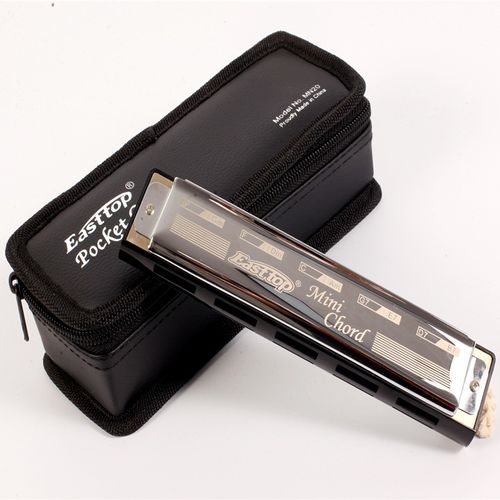
Many harmonica players hit a plateau after a few months. The tone sounds "thin," or certain holes feel "stiff." The truth is, the harmonica is a scientific instrument of precision, and the magic lies in the details you probably haven't noticed yet.
Here are 5 overlooked details that separate the amateurs from the pros.
1. The Mystery of Air Tightness
Struggling with high notes? It’s often not your lungs; it’s the air leakage.
The Detail: The seal between the comb and the reedplates must be absolute.
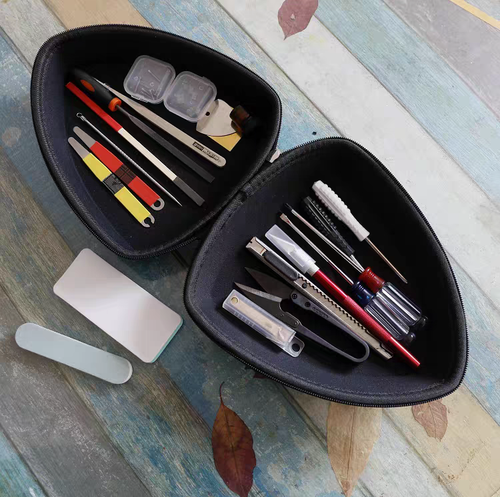
Pro Tip: Check if your reedplates are perfectly flat. Even a micron-level gap can cause "breathiness." Tightening the screws systematically can improve response time significantly.
2. "Warming Up" is Physical, Not Just Musical
Ever noticed your reeds sticking or sounding flat on a cold day?
The Detail: Metal reeds are sensitive to temperature.
The Fix: Always warm your harmonica in your hands or pocket before playing. A warm reed vibrates at its intended frequency and reduces moisture condensation, preventing that annoying "clogged" feeling.
3. The Hand Cup: Your External Resonator
Your hands aren't just for holding the instrument; they are part of the acoustic chamber.
The Detail: Most beginners leave too many "leaks" in their hand grip.
Pro Tip: Treat your hands like a speaker cabinet. By sealing the back of the harmonica effectively, you can manipulate the low-end frequencies and create a much richer, darker tone without changing your breath.
4. The Chemistry of Saliva
Playing right after a snack? You’re killing your reeds.
The Detail: Sugar and acids from food/drinks turn into a sticky residue inside the comb.
The Fix: Always rinse your mouth with water before playing. This simple habit prevents "stuck reeds" and doubles the lifespan of your instrument.
5. The "Ghost" Breath
The harmonica is unique because it breathes with you—both in and out.
The Detail: Are you accidentally breathing through your nose while drawing a note?
The Skill: Practice isolating your airway. When you engage your diaphragm and open your throat (as if fogging a mirror), the harmonica gains a resonant, "vocal" quality that shallow mouth-breathing can never achieve.