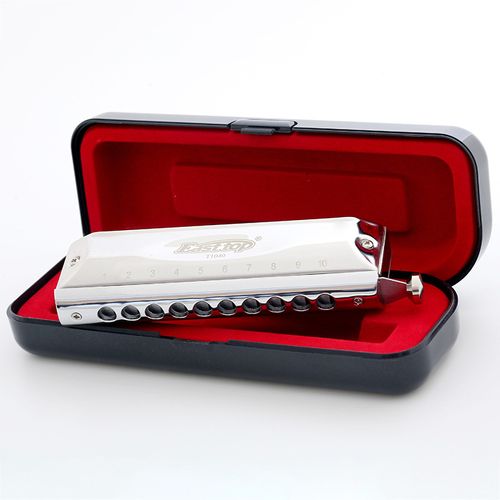
Most harmonica players reach a point where progress seems to slow down. After learning single notes, basic songs, and simple rhythms, many wonder why their playing no longer improves as quickly.
The answer often lies in mastering advanced techniques rather than simply practicing longer.
Here are ten essential harmonica skills that can transform an intermediate player into a confident and expressive musician.
1. Master Breath Control
Breath control is the foundation of great harmonica playing. It allows you to maintain tone consistency, sustain notes, and create smoother musical phrases.
2. Learn Bending Techniques
Bending is one of the most important blues harmonica skills. It enables players to lower pitch and create emotional expression that closely resembles the human voice.
3. Develop Vibrato
Vibrato adds warmth and character to every note. Hand vibrato, throat vibrato, and diaphragm vibrato all contribute unique tonal textures.
4. Improve Rhythm Skills
Strong rhythm often matters more than perfect note accuracy. Practicing with a metronome and learning shuffle and swing grooves can dramatically improve musicality.
5. Practice Improvisation
Improvisation helps develop creativity and confidence. Start by copying phrases from professional players and gradually build your own musical vocabulary.
6. Explore Cross Harp Position
Second position playing, also known as Cross Harp, is widely used in blues, rock, and country music because it provides excellent bending opportunities.
7. Study Overblows
Overblows unlock missing notes and allow a diatonic harmonica to play a complete chromatic scale, opening the door to advanced jazz and modern harmonica styles.
8. Train Your Ear
Learning melodies by ear strengthens musical understanding and improves improvisational ability far more effectively than relying solely on tablature.
9. Record Yourself Regularly
Recording practice sessions helps identify weaknesses in timing, tone, and expression that are often difficult to notice while playing.
10. Follow a Structured Practice Routine
Consistent practice is more effective than occasional long sessions. A balanced routine should include tone work, bending exercises, rhythm training, improvisation, and song practice.
Final Thoughts
Advanced harmonica playing is not about playing faster or more notes. It is about developing greater control, richer expression, and deeper musical understanding.
By mastering these ten techniques, you can continue progressing and unlock the full expressive potential of your harmonica.
Whether you enjoy blues, folk, country, or pop music, these skills will help elevate your playing to a professional level.