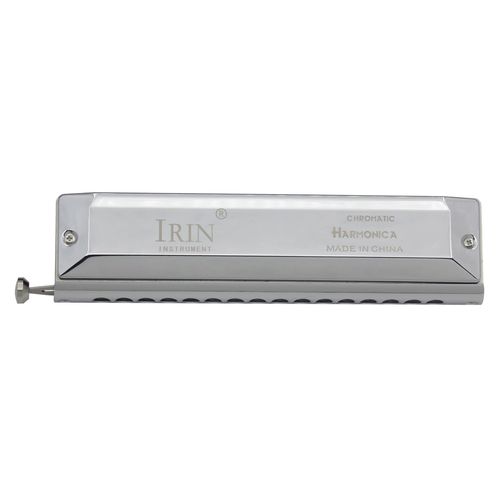
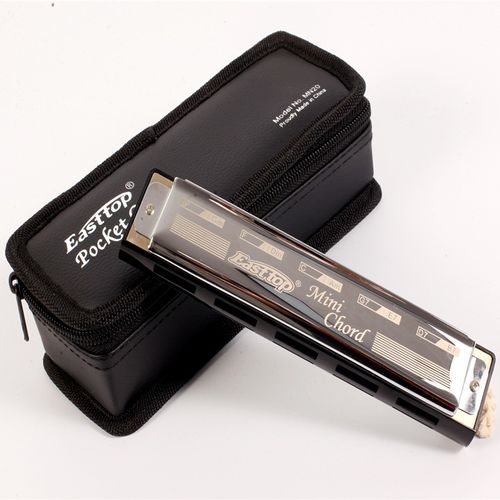
When you hear that iconic, bittersweet harmonica intro at the beginning of Billy Joel "Piano Man", you can instantly pictures the smoky bar, the neon lights, and the nostalgia of the 1970s. It is arguably one of the most famous harmonica riffs in pop history. But to get that bright, crisp, and nostalgic tone from your own C-diatonic harp, the instrument must be in top mechanical shape.
A clogged harmonica loses its airtightness, making those soulful bends and sustained notes in "Piano Man" sound airy or flat. Here is how to maintain your harmonica to ensure it always delivers that timeless, golden-era sound.
The Post-Performance Routine: Daily Care
The biggest enemy of a harmonica reed is the accumulation of dried saliva and dust. After pouring your heart into a practice session, never just toss your harp back into its box.
The Tap Technique: Hold your harmonica firmly with the holes facing downward. Gently but thoroughly tap the comb against your palm or a lint-free towel to dislodge any trapped moisture.
Evaporate the Moisture: Allow the harmonica to air dry completely for about 15 to 20 minutes before closing it up in its case. Storing a damp harmonica leads to bacteria growth and reed corrosion.
The Quick Wipe: Clean the cover plates with a microfiber cloth to prevent sweat and oils from tarnishing the metal finish.
Step-by-Step Guide: Deep Cleaning for Maximum Airtightness
To maintain the zero-gap precision required for effortless bending, a deep clean every few months is non-negotiable.
1.Take Off the Cover Plates:Required tool: Precision screwdriver。
Carefully remove the screws holding the upper and lower cover plates. Place the tiny parts in a small cup or magnetic tray so they stay safe.
2.Sanitize and Scrub the Comb:Avoid this step if your comb is wooden。
For plastic, resin, or metal combs, submerge the piece in warm, soapy water. Use a soft-bristled toothbrush to gently scrub away buildup from inside the chambers. If you use a wooden comb, simply wipe it with a dry cloth; never submerge wood in water.
3.De-Gunk the Reed Plates:Handle with absolute delicacy。
Soak a cotton swab or a soft toothbrush in isopropyl alcohol. Gently brush the reed plates, always moving from the fixed rivet end toward the tip of the reed. Moving across or against the reed can instantly bend it out of alignment.
4.Dry and Reassemble:Zero residual moisture allowed。
Let all components air dry on a paper towel. Once completely dry, line up the reed plates and screw the cover plates back on snugly to ensure there are no air leaks.
Pro Tips to Prevent Reed Fatigue
If you want your harmonica to last for years of playing, implement these professional habits:
The Water-Only Rule: Never drink soda, coffee, or sugary drinks while playing. Sugar acts like glue inside the chamber, causing the reeds to freeze up. Stick to water.
Warm Up Your Harp: In cold weather, blow gently into the harmonica using your hands to warm it up before playing hard. Cold metal reeds are more brittle and prone to cracking under sudden pressure.
Control Your Breath: The harmonica is an instrument of air volume, not air pressure. You do not need to blow hard to achieve the soaring volume of "Piano Man". Focus on steady, diaphragmatic breathing.
By giving your instrument the routine maintenance it deserves, you guarantee that every time you slide into that famous intro, your harp will sound as legendary as the song itself.