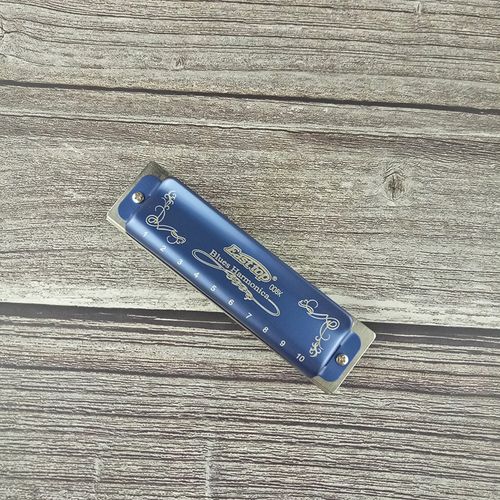
For a musician, a harmonica is more than just an instrument—it is an extension of the soul, translating breath into emotion. Yet, while we lose ourselves in the joy of playing, routine maintenance is often overlooked. Due to its precise and intricate internal structure, a harmonica is highly vulnerable to moisture, dust, and temperature fluctuations.
Neglecting proper care can lead to compromised airtightness, stiff response, and accelerated reed fatigue, which ultimately distorts the pitch. Today, we will unlock professional harmonica maintenance techniques to ensure your instrument always delivers that flawless, resonant tone.
1. Pre-Playing Habits: Protection Before the First Note
The best maintenance begins before you even play a single note.
Rinse Your Mouth After Eating: This is a simple yet crucial step. Food particles and sugary saliva are a harmonica’s worst enemies. They cling to the internal structures, jamming the reeds or altering their pitch.
Control Moisture Levels: Keep your mouth hydrated, but avoid excessive salivation while playing. Too much saliva flooding the comb will degrade responsiveness and negatively affect the instrument's airtightness.
2. Post-Playing Routine: Moisture Removal and Drying
Every time you finish a playing session, make sure to follow this essential three-step routine:
Step 1: Tap Out the Moisture
Hold the harmonica with the holes facing downward and tap it gently against your palm or a clean microfiber cloth. This uses kinetic energy to dislodge the accumulated saliva inside.
Note: Never use excessive force, as heavy impacts can damage the alignment of the highly sensitive internal reeds.
Step 2: Wipe the Exterior
Use a clean microfiber cloth to thoroughly wipe down the stainless steel cover plates. This removes fingerprint oils and sweat, preventing surface oxidation and keeping the instrument pristine.
Step 3: Air Dry Naturally
Never put your harmonica straight back into its case right after playing. Storing a wet instrument in a sealed enclosure creates a breeding ground for bacteria. Instead, let it sit in a cool, well-ventilated area for 15 to 30 minutes to dry completely before packing it away.
3. Deep Cleaning: Tapping Into Long-Term Performance
Every few months, a deeper clean is required to tackle stubborn buildup and maintain peak performance.
Prepare the Right Tools
For deep maintenance, it is highly recommended to use a dedicated stainless steel harmonica tool kit, complete with precision screwdrivers, micro-brushes, and a reed wrench.
Disassemble with Extreme Care
Carefully unscrew the cover plates and reed plates. Keep the screws organized. The internal phosphor bronze reeds are incredibly fragile; even a microscopic bend can ruin the instrument's tuning. Handle every piece with a light touch.
Cleaning and Debris Removal
The Comb: If your harmonica features a plastic or metal comb, you can wash it with lukewarm water and a soft-bristled brush. For wooden combs, never use water, as moisture will cause the wood to swell and warp. Instead, use a barely damp cloth.
Reed Plates & Reeds: Gently brush away any residue along the direction of the reeds. Never brush against the grain of the reed, and avoid using rough cloths that could catch and bend the metal.
4. Common Pitfalls: Habits That Ruin Your Harmonica
Mistake 1: Using hairdryers or direct sunlight to dry it. High heat deforms plastic components—such as the valves on chromatic harmonicas or plastic combs—and can alter the temper of the metal reeds.
Mistake 2: Soaking in alcohol or harsh chemicals. Corrosive liquids can strip the plating off cover plates and degrade the phosphor bronze material of the reeds.
Mistake 3: Over-blowing on new instruments. New harmonicas require a breaking-in period. Forcing too much air too quickly causes rapid metal fatigue, leading to flat or broken reeds.
Conclusion: Honor the Craft, Perfect Your Sound
The brilliance of a harmonica lies in its micro-engineering. High-quality harmonicas engineered for zero-gap craftsmanship and optimal airtightness demand mutual respect from the player. By incorporating these maintenance steps into your daily playing routine, you preserve more than just an instrument—you safeguard a pure, resonant voice that will faithfully respond to your breath for years to come.