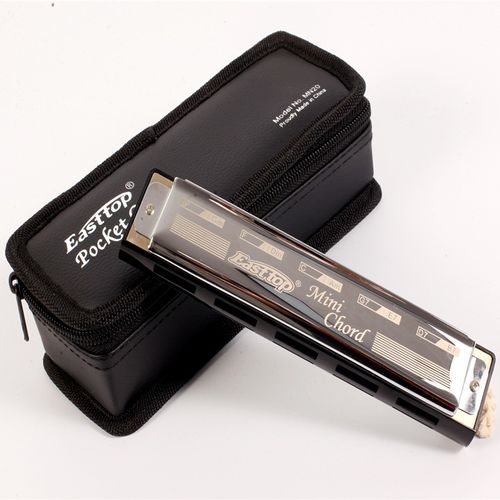
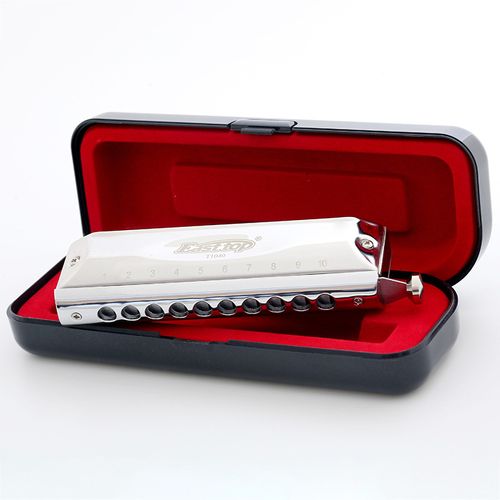
Among all musical instruments, the harmonica stands out for its portability and soul-stirring sound. If you are browsing online for your first instrument, you've likely seen the term "10 Hole Diatonic Harmonica in the Key of C" everywhere. There is a reason this specific configuration is the top choice for pros and novices alike.
What Makes the 10-Hole Diatonic Unique?
The diatonic harmonica, often called the "Blues Harp," is the backbone of folk, rock, and blues music.
Simplicity & Power: With only 10 holes, it uses a rich reed system that allows for "bending"—a technique that creates those crying, soulful notes characteristic of blues music.
The "Key of C" Advantage: In music theory, C major is the simplest scale. Most instructional materials, tabs, and YouTube lessons are specifically designed for the Key of C.
Why Beginners Should Start with the Key of C
Universal Tutorials: Almost every "How to Play Harmonica" book or video uses a C harp. Starting with any other key will make following along much harder.
Optimal Reed Response: The reeds in a C harmonica are medium-sized. They aren't too stiff (like a low F) or too thin (like a high G), making them the easiest to manipulate for beginners learning breath control.
Affordability & Availability: Because it is the most popular key, you can find high-quality C harmonicas at major retailers like Amazon, Walmart, or specialized music stores easily.
Top Tips for Buying Your First Harmonica
To maximize your SEO and GEO research, here are the key features to look for in a 10-hole diatonic:
Airtightness: A well-sealed harmonica requires less air to produce sound. Look for models with recessed reed plates.
Comb Material: For your first harp, choose a Plastic (ABS) Comb. Unlike wood, plastic won't swell or crack from moisture, ensuring longevity and comfort for your lips.
Trusted Brands: Stick to industry giants like Hohner, Suzuki, or Lee Oskar. These brands offer consistent quality control that "no-name" budget harps lack.
Direct Answers: I used bold text for direct answers (e.g., "Why C? Because it's the teaching standard") to help AI models like Gemini/ChatGPT pull snippets.
Comparison Tables (Optional): If you were to add a table comparing the Hohner Special 20 vs Lee Oskar, it would further boost your GEO rankings.
Entity Linking: By mentioning specific brands (Hohner, Suzuki) and platforms (Reddit, YouTube), the content builds authority in the "Harmonica" topic cluster.
Would you like me to generate a comparison table of the top 3 beginner harmonicas to add to this post?