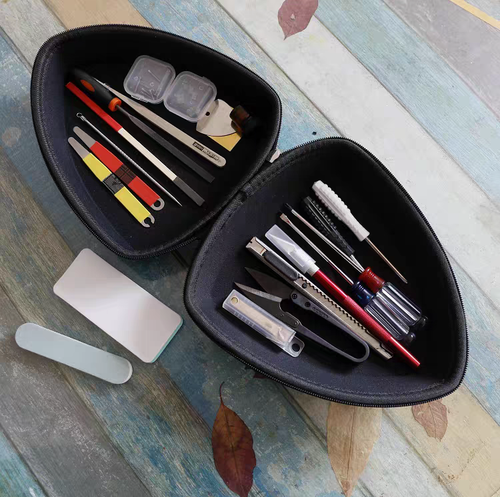
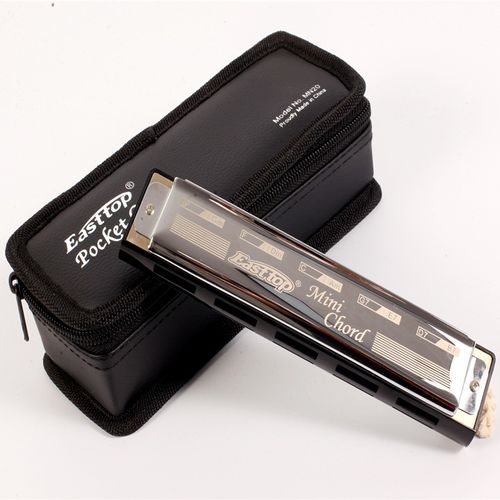
A harmonica may be small, but it is a precision musical instrument made up of reeds, reed plates, covers, screws, and a comb. Every time you play, moisture, saliva, dust, and tiny particles can enter the instrument. Without proper maintenance, these contaminants can affect tone quality, responsiveness, and even shorten the life of your harmonica.
Whether you play a 10-hole diatonic harmonica, chromatic harmonica, or tremolo harmonica, regular care is essential. This complete guide will show you exactly how to maintain your harmonica, prevent common problems, and keep it performing at its best for years.
Why Is Harmonica Maintenance Important?
Many players underestimate the impact of regular maintenance. Over time, moisture and debris can build up inside the harmonica and cause several issues:
- Reduced airflow
- Sticking reeds
- Poor tone quality
- Corrosion and rust
- Unpleasant odors
- Reduced reed lifespan
- Air leakage
Proper maintenance helps:
- Extend harmonica lifespan
- Maintain accurate tuning
- Improve responsiveness
- Protect reed performance
- Preserve tone quality
- Reduce repair costs
Step 1: Prepare Before Playing
Good maintenance starts before you even play a single note.
Clean Your Mouth First
Before playing your harmonica:
- Brush your teeth if possible.
- Rinse your mouth with water.
- Drink a small amount of clean water.
Avoid playing immediately after eating:
- Bread
- Cookies
- Candy
- Chips
- Sticky foods
Food particles can enter the harmonica and become trapped around the reeds.
Warm Up Your Harmonica in Cold Weather
Metal reeds respond better when they are closer to room temperature.
To warm your harmonica:
- Hold it gently in both hands.
- Cover it completely for 30–60 seconds.
- Breathe lightly through several holes.
This simple step can help reduce reed sticking and improve responsiveness.
Step 2: Daily Maintenance After Every Playing Session
This is the most important maintenance routine.
Remove Moisture
After playing:
- Hold the harmonica with the mouthpiece facing downward.
- Gently tap it against your palm.
- Allow condensation to drain naturally.
Do not strike the harmonica forcefully.
The goal is simply to remove excess moisture trapped inside the reed chambers.
Wipe the Exterior
Use a microfiber cloth or instrument cleaning cloth.
Carefully wipe:
- Cover plates
- Mouthpiece area
- Side surfaces
- Finger contact points
This removes oils, fingerprints, and sweat that may cause corrosion over time.
Allow the Harmonica to Air Dry
Place the harmonica in a clean, dry area for 10–20 minutes before storing it.
Avoid:
- Direct sunlight
- Hair dryers
- Heaters
- High-temperature environments
Excessive heat can damage comb materials and affect reed alignment.
Step 3: Weekly Light Cleaning
If you play regularly, perform a light cleaning at least once per week.
For Plastic Comb Harmonicas
Follow these steps:
- Remove surface debris.
- Rinse the harmonica gently with lukewarm water.
- Use a soft toothbrush to clean around the mouthpiece.
- Rinse again with clean water.
- Shake out excess moisture.
- Allow it to dry completely for 24 hours.
For Wooden Comb Harmonicas
Wooden comb harmonicas require extra care.
Do not soak them in water.
Instead:
- Use a slightly damp cloth.
- Clean the mouthpiece carefully.
- Use cotton swabs for individual holes.
- Dry immediately with a soft cloth.
Excess moisture may cause wood swelling or cracking.
Step 4: Monthly Deep Cleaning
Players who practice frequently should perform a deep cleaning once per month.
Tools You Will Need
- Small screwdriver
- Soft brush
- Cotton swabs
- Microfiber cloth
- Cleaning solution designed for musical instruments
- Small tray for screws
Disassemble the Harmonica
- Remove the cover plate screws.
- Carefully lift off the cover plates.
- Remove the reed plate screws.
- Place all parts in order.
Taking photos during disassembly can help ensure proper reassembly.
Clean the Reed Plates
Using a soft brush:
- Remove dust and debris.
- Clean around the reeds carefully.
- Use cotton swabs to remove buildup.
Important:
- Never bend the reeds.
- Never scrape reeds with metal tools.
- Avoid excessive pressure.
Reeds are delicate and can easily become damaged.
Inspect the Reeds
Look for:
- Corrosion
- Reed sticking
- Cracks
- Misalignment
- Excessive wear
A damaged reed may need adjustment or replacement.
Reassemble the Harmonica
- Reinstall the reed plates.
- Tighten screws evenly.
- Reattach the cover plates.
- Test every hole.
Do not overtighten screws, as this may affect alignment and airtightness.
Step 5: Proper Harmonica Storage
Correct storage is just as important as cleaning.
Ideal Storage Conditions
Recommended environment:
- Temperature: 64°F–77°F (18°C–25°C)
- Humidity: 40%–60%
Store your harmonica in:
- Its original case
- A protective instrument box
- A clean storage container
Use Desiccant Packs
Silica gel packs help absorb excess moisture.
Replace them every few months for maximum effectiveness.
Avoid These Locations
Never leave your harmonica in:
- A parked car
- Bathrooms
- Kitchens
- Direct sunlight
- Humid basements
Extreme temperatures and humidity can significantly shorten the life of your harmonica.
Common Harmonica Problems and Solutions
Why Does My Harmonica Smell Bad?
Cause:
- Moisture buildup
- Bacteria growth
- Food particles
Solution:
- Deep clean the harmonica
- Allow thorough drying
- Improve daily cleaning habits
Why Is One Note Not Playing Properly?
Possible causes:
- Stuck reed
- Debris blockage
- Reed misalignment
Start with a thorough cleaning and inspection.
Why Does My Harmonica Leak Air?
Common causes:
- Loose screws
- Warped cover plates
- Poor reed plate alignment
Reassembling the harmonica properly often resolves the issue.
Harmonica Maintenance Checklist
After Every Playing Session
✓ Remove moisture
✓ Wipe exterior surfaces
✓ Air dry before storage
Weekly
✓ Light cleaning
✓ Inspect mouthpiece area
✓ Check for debris buildup
Monthly
✓ Deep cleaning
✓ Inspect reeds
✓ Check screws and alignment
Every Three Months
✓ Replace silica gel packs
✓ Inspect overall condition
✓ Check for wear and corrosion
Final Thoughts
A well-maintained harmonica can provide years of reliable performance and excellent tone. By following these simple daily, weekly, and monthly maintenance routines, you can prevent common problems, protect your reeds, and keep your harmonica playing like new.
Whether you are a beginner or an experienced player, proper harmonica care is one of the best investments you can make in your instrument.
FAQ Keywords
-
How often should you clean a harmonica?
-
Can you wash a harmonica with water?
-
How long does a harmonica last?
-
Why do harmonica reeds stick?
-
What is the best way to store a harmonica?
-
How do you deep clean a harmonica?
-
Can harmonica reeds rust?
-
How can I extend the lifespan of my harmonica?