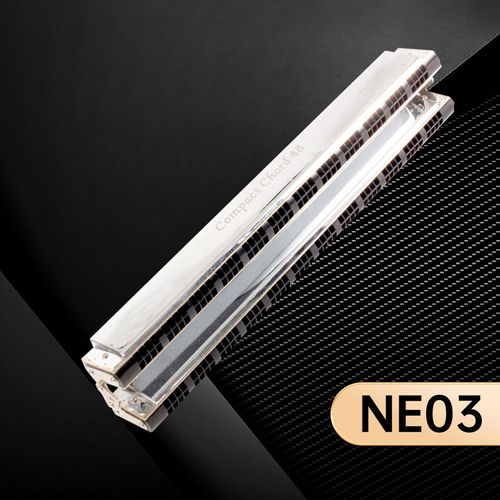
The chromatic harmonica, equipped with a slide button system, naturally offers a complete 12-tone chromatic scale. However, modern players pushing the boundaries of jazz, blues, and contemporary music often utilize Overblowing and Overdrawing to unlock microtonal bending, rich expressions, and distinct tonal colors.
In this guide, we dive into the physics of chromatic overblows, valve optimizations, reed gapping setup, and advanced tongue blocking techniques.
1. Pushing Physical Limits: The Physics of Chromatic Overblows
Unlike standard chromatic slide playing, overblowing forces a reed choke through precise air pressure control while interacting with the instrument's windsavers (valves).
Slide Bending vs. Overblowing Physics
Technique
Action
Mechanism & Valve Behavior
Musical Effect
Slide Engagement
Push physical side button
Directs air stream to tuned alternate reeds
Clean, standard chromatic intervals.
Bending
Oral cavity shaping
Air pressure causes slight valve seal and reed flex
Expressive pitch-bend / microtonal slides.
Overblow
Focused air column on blow reed
Blow reed chokes; forces opposite draw reed to vibrate in reverse
Produces overblown intervals with distinct timbre.
Overdraw
High-pressure draw air stream
Draw reed chokes; forces opposite blow reed to vibrate in reverse
Reaches reverse-excited pitch notes.
2. Customization: Valve Setup & Reed Gapping
Factory chromatic harmonicas are designed for standard slide playing with wider reed gaps and traditional valving. Effortless overblowing requires targeted adjustments.
Windsaver (Valve) Maintenance: Ensure valves are flat and sticky-free. Some players perform half-valving (removing specific valves on selected reed slots) to facilitate easier bends and overblows.
Tightening Reed Gaps: Lower the gap at the tip of the targeted reeds. A tighter gap triggers a quicker reed choke under altered air pressure, allowing the opposite reed to respond smoothly.
Anti-Squeal Dampening: Apply microscopic amounts of dampening material (such as beeswax) near the reed vault to eliminate harsh high-frequency noise during overblows.
3. Advanced Tongue Blocking with Slide Mechanics
Tongue blocking (TB) on a chromatic harmonica unlocks rich, orchestral textures and seamless polyphonic control:
Octave Splits with Slide Changes: Block 2 or 3 center holes with the tongue while leaving outer corners open. Use the slide button to play full chromatic octaves with massive resonance.
Rhythmic Tongue Slaps: Slap the tongue on and off the comb to create a rhythmic bass accompaniment while right-hand fingers manage slide melodies.
Legato Slide Glides: Combine tongue blocking stability with subtle pitch bending/overblowing to create smooth, vocal-like jazz phrasing.