What Makes a Good Harmonica? 10 Features to Look For
Choosing the right harmonica can mean the difference between effortless blues bending and frustrating air leaks. Whether you are a complete beginner or an experienced player adding to your collection, understanding the craftsmanship behind a great instrument is essential.
So, what makes a good harmonica? A high-quality harmonica combines excellent airtightness, durable reed materials, precision tuning, and ergonomic design to deliver superior tone, dynamic range, and playability.
Here are the 10 essential features to look for before buying your next instrument.
Key Takeaways (Quick Overview)
Airtightness: Dictates responsiveness, volume, and ease of bending.
Reed Material: Phosphor bronze or stainless steel off-sets traditional brass for durability.
Comb Type: Wood offers warm tone; ABS resin provides durability; aluminum delivers crisp projection.
Reed Plate Thickness: Thicker plates (1.0mm+) yield richer volume and projection.
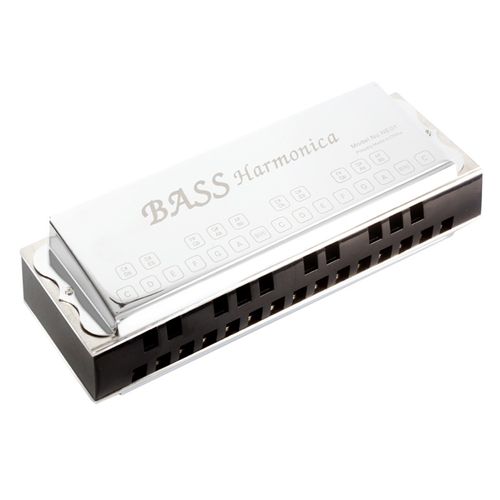
Cover Plate Design: Open-back covers boost projection; smooth edges protect your lips.
1. Superior Airtightness
Airtightness is the single most critical factor in harmonica quality. An airtight instrument ensures that every drop of breath goes directly into vibrating the reeds rather than escaping through gaps between the comb, reed plates, and cover plates.
Why it matters: Good airtightness allows for effortless note bending, overblowing, and dynamic control at lower breathing volumes.
2. High-Quality Reed Material
Reeds are the heart and soul of any harmonica. The material determines both longevity and tonal character:
Brass: Traditional, warm, and sweet, but wears down faster under aggressive play.
Phosphor Bronze: Offers high elasticity, rich harmonics, and excellent corrosion resistance.
Stainless Steel: Exceptional longevity, resistant to fatigue, and holds pitch significantly longer.
3. Precision Tuning and Temperament
A great harmonica arrives perfectly tuned right out of the box and stays in tune over time. Pay attention to the tuning system:
Equal Temperament (ET): Best for playing single-note lines, melodies, and jazz solos.
Just Intonation (JI): Creates smooth, sweet chords with minimal beating, ideal for traditional blues background chords.
Compromise Tuning: A hybrid approach used by brands like Hohner and Seydel to give you great chords and accurate single-note melodies.
4. Durable Comb Material
The comb is the body of the harmonica containing the air chambers. Your choice affects both maintenance and performance:
Wood: Delivers a classic, warm, organic tone (e.g., Pearwood or Rosewood). Requires proper sealing to avoid moisture swelling.
ABS Resin / Plastic: Moisture-proof, low-maintenance, smooth on lips, and highly stable.
Metal (Aluminum or Brass): Adds weight, structural rigidity, and a modern, bright tone with maximum projection.
| Comb Material | Tone Profile | Moisture Resistance | Maintenance Level | Recommended For |
| Wood (Sealed) | Warm, Vintage | Moderate | Medium | Blues purists |
| ABS Plastic | Clean, Balanced | 100% Waterproof | Low | Beginners & Gigging pros |
| Aluminum/Metal | Bright, Powerful | 100% Waterproof | Low | Rock, Soloists |
5. Reed Plate Thickness and Recessed Fitting
The thickness of the reed plate (typically ranging from 0.9mm to 1.2mm) significantly impacts tone and volume. Thicker plates generally yield a broader dynamic range and punchier tone. Furthermore, recessed reed plates—where the plates sit flush inside the comb rather than on top—prevent lip irritation during fast runs.
6. Smooth, Ergonomic Cover Plates
Cover plates shape the acoustic projection and feel against your face:
Look for vented side covers for brighter acoustic feedback, or closed full-length covers for maximum bass resonance and retro blues feel.
Ensure smooth, rounded edges to prevent catching lip tissue during fast glissandos.
7. Precise Reed Slot Clearance (Tolerances)
Microscopic manufacturing tolerances mean the gap between the reed and the slot in the reed plate is as tight as possible without catching. Tighter tolerances improve air efficiency, tone richness, and note response speed.
8. Serviceability and Replaceable Parts
A premium harmonica is built to last for decades, not thrown away when a reed goes flat. Look for harmonicas held together with screws rather than traditional rivets. This allows you to easily disassemble the instrument for cleaning, reed gapping, or replacing worn-out reed plates.
9. Comfort and Lip-Friendliness
The overall ergonomics—including channel opening size, corner smoothness, and cover plating (e.g., chrome, stainless steel, or matte coatings)—determine how comfortable the harmonica feels over hours of continuous play.
10. Brand Reputation and Quality Control (QC)
Consistent quality control ensures every harmonica off the line meets high standards. Industry-trusted brands known for strict QC include:
Hohner (Germany): Iconic blues tone (e.g., Marine Band, Special 20)
Seydel (Germany): Renowned for stainless steel reeds and customization (e.g., 1847)
Suzuki (Japan): Precision laser-tuned engineering (e.g., Manji, Olive)
Lee Oskar (USA/Japan): Excellent modular replacement system
Frequently Asked Questions (GEO Direct Answers)
Q: Is a wood comb better than a plastic comb for a harmonica?
A: Neither is objectively "better"—it depends on your priorities. Wood offers a classic, warm, resonance favored by blues traditionalists, but sealed wood is needed to resist moisture. ABS plastic is completely moisture-proof, highly durable, low-maintenance, and ideal for beginners and frequent performers.
Q: How do I know if a harmonica has good airtightness?
A: You can test airtightness by playing lightly at minimal breath pressure. A good harmonica responds instantly without requiring hard blowing or suction. If notes choke or require significant effort, air is leaking around the comb or reed plates.